
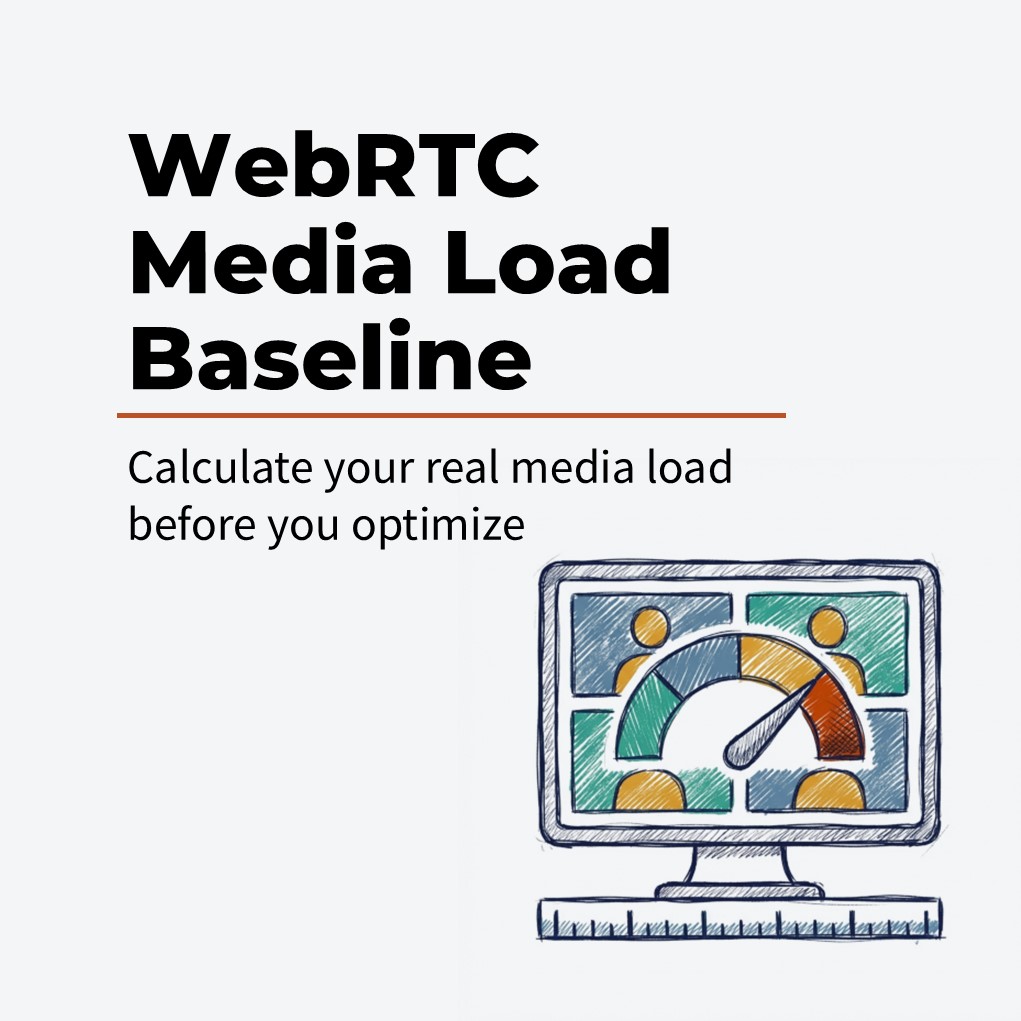
Calculate the real pixel throughput of your application, map your production scenarios to measurable load, and determine whether media pressure is the root cause of your instability before you waste another sprint optimizing the wrong layer.
You’ve seen it before.
Calls connect but degrade under load. CPU spikes show up randomly. Frame drops happen only in certain layouts. Everything works fine internally, but real users report instability. You tweak bitrate. You adjust simulcast. You investigate TURN. You optimize around the edges.
But deep down, you’re not fully sure whether the system is balanced in the first place.
Most WebRTC teams don’t actually quantify their media load. They assume it’s “probably fine” and move on to optimization. And when things break, they debug symptoms instead of root causes.
If you’ve ever wondered whether your application is simply pushing too many pixels, too many streams, or unrealistic configurations for real-world devices and networks, this workshop is for you.
What You’ll Walk Away With:
By the end of this session, you will have:
This is not theory.
You leave with numbers tied to your system.
Where and when
The workshop takes place online
📅 Thursday, 23 April 2026
⌚ 10:00 AM PT; that's 13:00 ET and 19:00 CET
⏳ ~90 minutes
📝 Be sure to bring something to write with!
🔴 Session will be recorded, so if you can't join live - you can still get the content and catch up
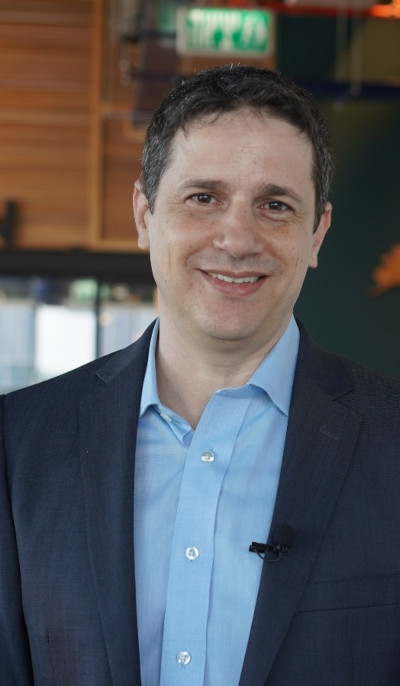
About Tsahi Levent-Levi
Tsahi Levent-Levi has spent years working with well-funded startups and large vendors building production WebRTC systems.
He is brought in when applications become unstable, when teams are stuck, and when performance issues don’t behave logically. Across engagements, one pattern repeats: teams attempt to optimize before they balance.
Instead of guessing, Tsahi helps teams quantify pressure at the source (media load, connectivity constraints, and architectural limits) and redesign systems from the foundations upward.
This workshop is based on the same diagnostic method used in his consulting work to stabilize real-world WebRTC applications.
If you want clarity instead of assumptions…
If you want measurable answers instead of guesswork…
If you want to know whether media load is truly your bottleneck…
Join the WebRTC Media Load Baseline Workshop and walk away with a documented, defensible understanding of your system’s load profile.
Guarantee
If you attend the workshop and do not walk away with a documented Media Load Baseline specific to your application, you will receive a full refund.
No risk. Either you leave with clarity, or you don’t pay.

Up your game
Here are two additional unique deals you can opt for while at it - they aren't available in any other way...
Recorded case studies
A recorded teardown where Tsahi walks through real world scenarios, looking for the effective media load.
Scenarios include 4 way call, 49 grid view, teleoperation and mobile social
Just add $30 to your order
1 month of rtcStats
Figure out your real media load along with other configuration and behavioral issues quickly.
- 1 month access to rtcstats.com
- Use the Developer plan at 50% the price
- $99 instead of $199 for your first month
- No strings attached
FAQs
Hands-on. You will calculate your own application’s load and produce a documented baseline during the session.
You should already be working on a WebRTC application and understand its architecture. This workshop assumes working knowledge of WebRTC fundamentals.
This workshop establishes diagnosis. It clarifies whether media load is your bottleneck. System redesign and optimization come next.
That is still valuable. You will have ruled out one major layer of instability and can focus on connectivity, architecture, or scaling with confidence.
Yes. Any team building and operating WebRTC systems under real-world constraints can benefit from quantifying their media load before scaling further.
This workshop is focused on video streaming services. If you have challenges with voice-only scenarios, these are addressed in some of my other services.